
The idea sounds appealing: a personal trainer to plan your workouts, a physio to help protect your body, and a nutritionist to sort out your food. Three experts, all working towards the same goal.
But do you really need all three? For most people, not necessarily. The right support depends on your health, your goals and what’s getting in your way. Sometimes it’s a professional. Sometimes it’s a simple plan you can stick to.
What does each expert do?
They bring different skills to the table. Knowing where one role ends and another begins can help you spend your time and money wisely.
A personal trainer brings structure
A good personal trainer can help you build a routine, learn exercise technique and progress towards goals such as getting stronger or improving fitness. They can also offer encouragement and accountability.
A trainer may be a useful choice if you:
- Are unsure how to get started
- Want a clear, progressive workout plan
- Feel more motivated with regular support
- Have reached a plateau and need fresh structure
Personal trainers aren’t a replacement for healthcare professionals. If you have pain or a medical concern, look for someone who understands their scope and will refer you to the right professional when needed.
A physio helps with pain and movement
A physiotherapist assesses and treats problems affecting movement and function. They may support you through injury rehabilitation, persistent pain or a return to activity after an operation.
If pain is affecting your everyday life or stopping you from exercising, a physio may be the best first step. In the UK, physiotherapist is a protected professional title. You can check a practitioner’s registration through the HCPC register.

A training plan can be adapted around your stated needs, but it can’t assess or diagnose an injury. If an exercise causes sharp pain, stop. If pain keeps returning or you’re worried about an injury, speak to a qualified physio or another appropriate healthcare professional.
A nutrition professional can make food feel clearer
For general healthy eating, a straightforward approach may be all you need. But a nutrition professional can help when you want advice that takes your routine, preferences and goals into account.
It’s worth knowing that dietitian is a protected title in the UK, while the word nutritionist isn’t. For advice related to a medical condition, a registered dietitian may be the appropriate choice. The British Dietetic Association explains the difference.
If you have a condition that affects what you eat, or you’re considering a major dietary change, ask your GP or a registered dietitian for advice.
So, do you need all three?
Usually, you can start with the support that matches your main challenge.
- Need a plan and accountability? Consider a personal trainer or a well-structured training programme.
- Managing pain or an injury? Ask a physiotherapist for an assessment.
- Need nutrition support for a medical condition? Speak to your GP or a registered dietitian.
- Generally well, but not sure where to begin? Start small and build a routine you can maintain.
Some people benefit from several professionals working together. For example, someone returning to exercise after an injury might need a physio’s guidance, a trainer’s help with a gradual return to strength work, and a dietitian’s advice for a clinical nutrition concern. But that doesn’t mean you need to book three appointments before taking a first step.
Start with the basics
If you’re generally healthy and ready to move more, official guidance can help you set a realistic direction. The NHS recommends that adults aim for 150 minutes of moderate activity a week, or 75 minutes of vigorous activity, alongside strength work on at least two days. You can build up gradually; short walks and manageable strength sessions count as a start.
For food, aim for balanced, everyday choices rather than a perfect menu. The NHS Eatwell Guide offers a practical overview of the types of food that make up a balanced diet.

You don’t need to overhaul everything at once. Pick one manageable change, give it time, then build from there.
Get support that fits your real life
The best plan is one you can follow around your schedule, experience and available equipment. It should feel like a helpful guide, not another source of pressure.
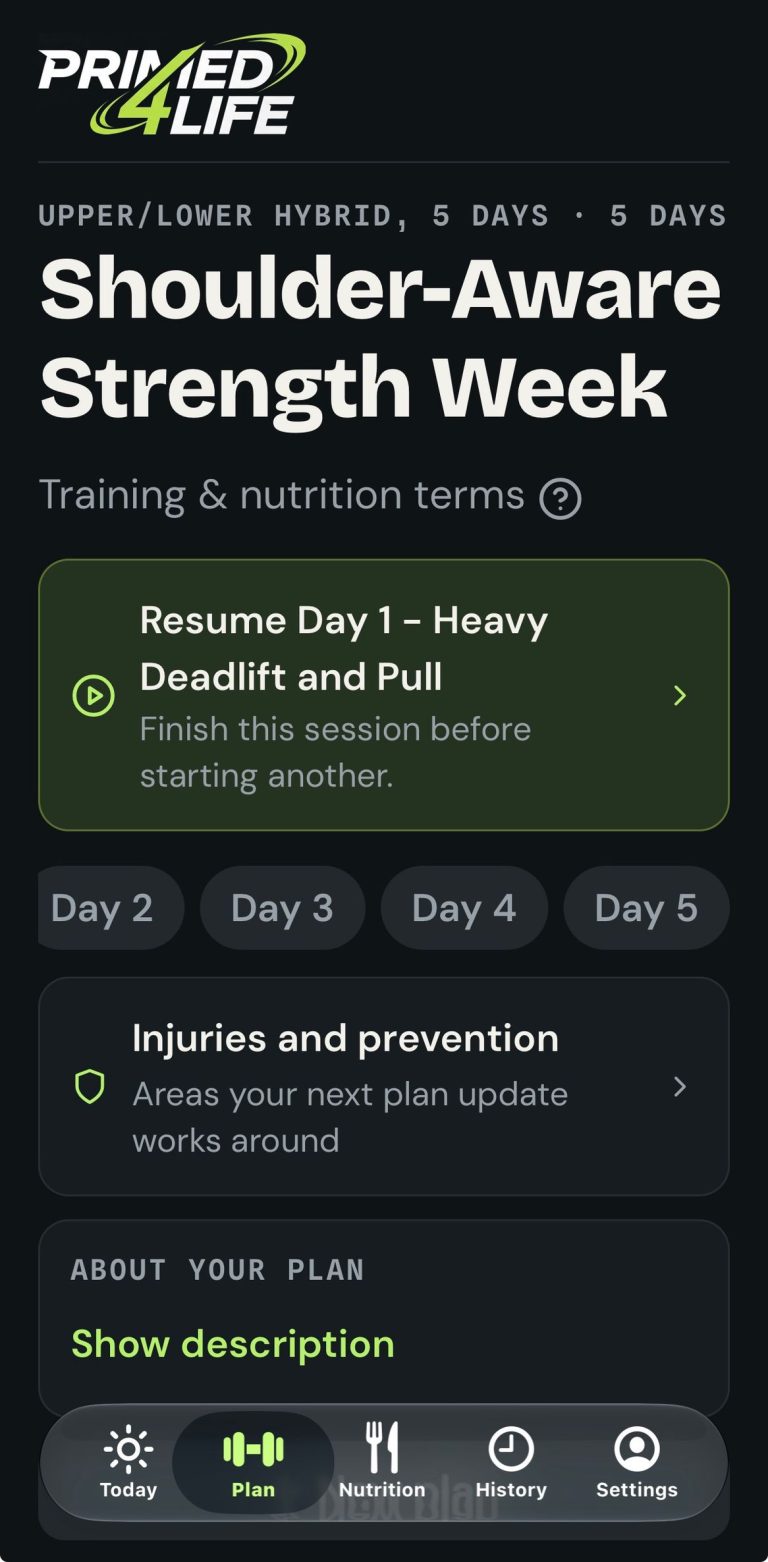
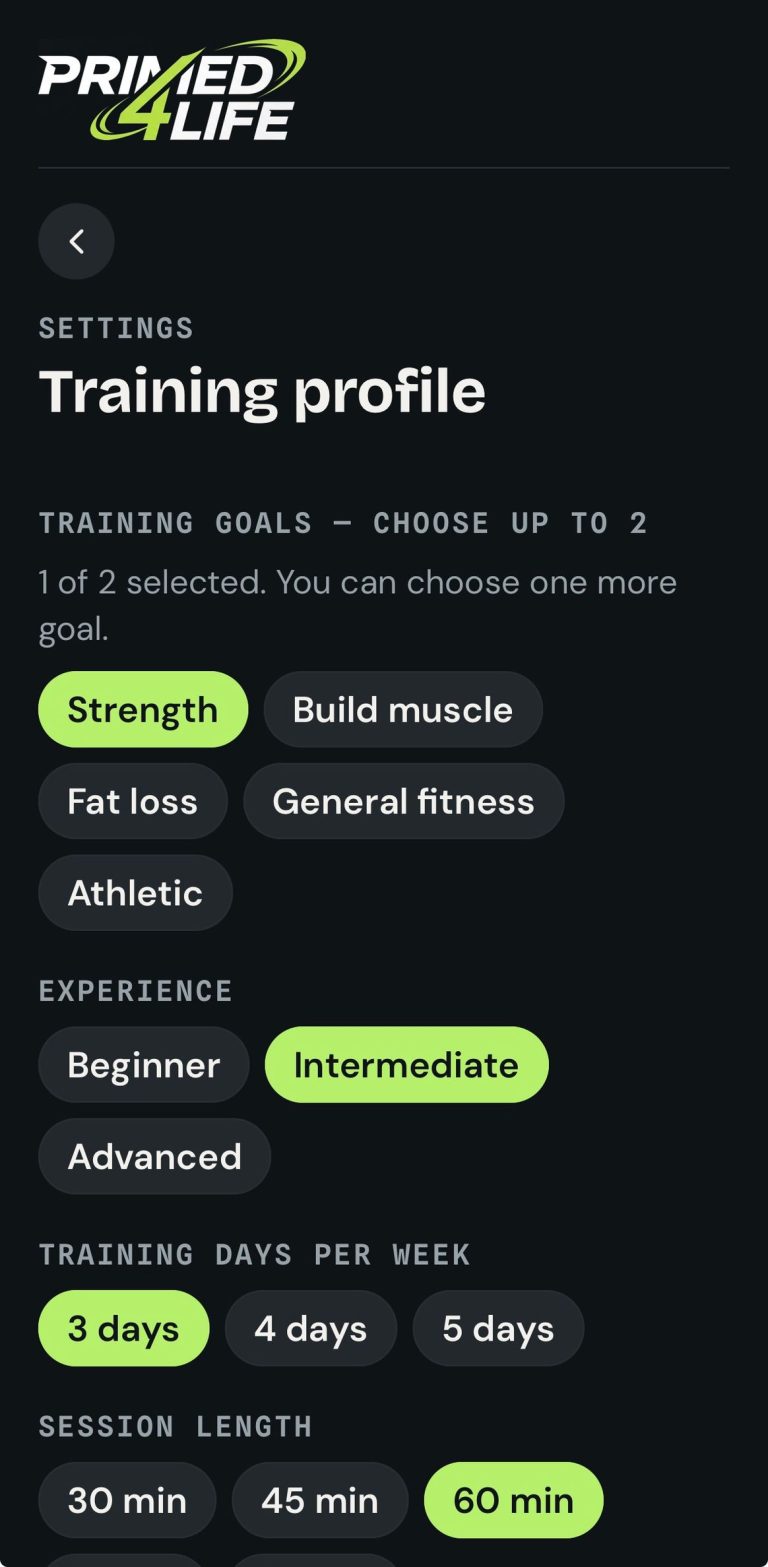
That’s the idea behind Primed4Life. It brings training and nutrition planning together in one app, with options shaped around your goals, experience, equipment, schedule and preferences. You can get a training plan, a seven-day meal plan with recipes and a shopping list, then check in on your progress each week.
If you have an injury or a recurring niggle, the app can take your feedback into account and offer exercise adjustments. That’s not the same as a physio assessment or treatment. If you’re in pain or unsure whether an exercise is suitable, pause and seek appropriate professional advice.
There’s also an AI specialist available to answer questions about your plan, with the option to upgrade to a human coach for one-to-one support. The app is designed to support your routine, not to diagnose health conditions or replace a GP, physio or dietitian.
Keep it simple. Keep it yours.
You may not need three experts. You might need one, or you may be ready to start with a clear plan and a small step you can repeat.
Choose support based on what you actually need. Ask for clinical help when pain or health concerns call for it. And let your routine fit your life, not the other way round.
Ready to see what a personalised plan could look like? Create a free Primed4Life account and get started. Your first training and nutrition plans are free.

Your first plan is free
Get a training plan and 7-day nutrition plan built around your goals, equipment and any injuries.