Fibre rarely gets the spotlight. It won’t transform a workout overnight or promise quick results. But getting a variety of fibre-rich foods into your everyday meals can support your digestive health and help you build a way of eating that works for the long run.
If you train, you need more than a plate of greens. Your body also needs enough energy, carbohydrate, protein and fluids to support your activity and recovery. The good news? These can all fit together in normal, satisfying meals.
How much fibre do you need?
UK guidance recommends that adults aim for 30g of fibre a day. The NHS says many adults eat around 20g, so there may be room to increase your intake.
Fibre comes from plant foods, including:
- Wholegrain bread, oats, brown rice and wholemeal pasta
- Beans, lentils, chickpeas and peas
- Fruit and vegetables
- Nuts and seeds
- Potatoes with their skins
A mix matters. You don’t need to find one “perfect” source or add a special powder to every meal. Start with foods you enjoy and can get easily.
For more on general healthy eating, take a look at the NHS guide to increasing fibre and the government’s Eatwell Guide.
Fibre supports the bigger picture
Fibre helps food move through your digestive system and is associated with a lower risk of some long-term health conditions. Different fibre-containing foods have different qualities, so a varied diet is a useful place to start.
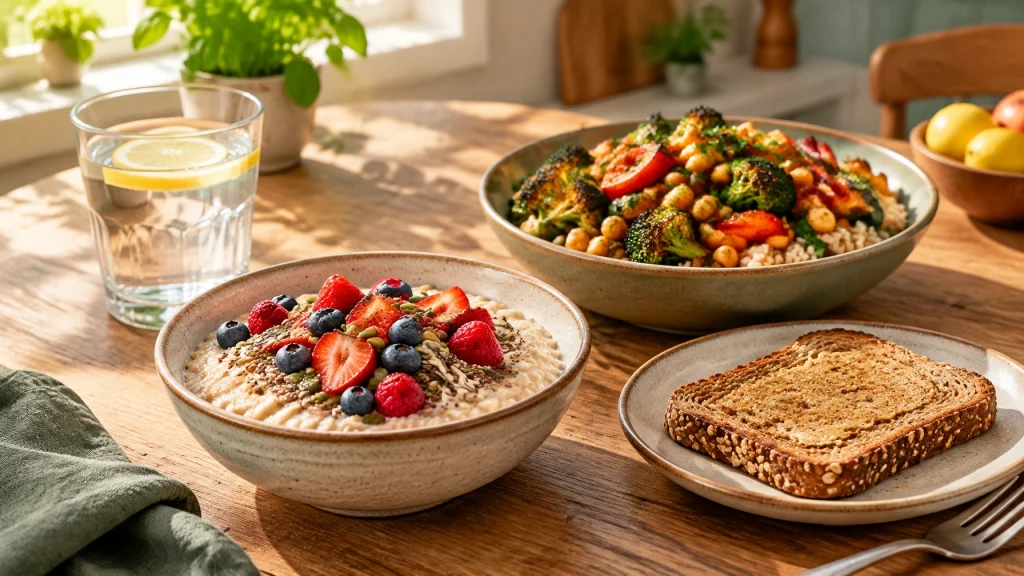
That doesn’t mean every meal needs to be a giant salad. A bowl of porridge, a piece of fruit, wholemeal toast, lentil soup or a bean-filled chilli can all contribute. Small choices, repeated often, add up.
And fibre isn’t a shortcut to changing your body composition. Your overall intake and habits matter. If you’re working towards a specific goal, think about fibre alongside your calorie and protein needs, not instead of them.

Training needs fuel, too
Fibre is part of a healthy everyday diet, but it isn’t your body’s main exercise fuel. Carbohydrate is the main fuel source for exercising muscles, and harder or longer training can call for more of it. The amount you need depends on your activity, goals and routine.
That’s why “eat as much fibre as possible” isn’t a great training rule. A bowl of lentil chilli can make a satisfying meal after training; just before a hard session, a big portion of beans or bran may not feel comfortable for everyone.
Try this instead:
- Build a varied everyday pattern. Include fibre-rich foods across your meals and snacks.
- Notice how timing feels. If a high-fibre meal close to exercise leaves you uncomfortable, have it further away from your session.
- Keep familiar foods around training. Don’t experiment with a big change on the day of an important workout.
- Match food to the session. A gentle walk and a long, demanding training session don’t necessarily call for the same approach.
Your comfort matters. People respond differently, and there’s no need to force a particular food at a particular time.
Make small changes that stick
If your usual meals are low in fibre, jumping straight to 30g can bring bloating, wind or cramps. Increase your intake gradually and drink enough fluids as you do. The NHS also recommends adding fibre little by little.
Here are some easy places to begin:
- Breakfast: Stir berries, sliced banana, nuts or seeds into porridge.
- Lunch: Choose wholemeal bread for a sandwich, or add chickpeas to soup.
- Dinner: Mix lentils into a tomato sauce, or serve your usual meal with extra vegetables.
- Snacks: Try fruit, oatcakes or a small handful of nuts.
- Simple swaps: Choose wholemeal pasta or bread when you enjoy it; keep white versions when those suit the meal better.
Check food labels if they’re useful. The British Dietetic Association describes foods with 6g or more of fibre per 100g as high fibre and foods with 3g or more per 100g as a source of fibre. Those numbers are a guide, not a reason to choose a food you don’t like.

A practical way to build your week
Instead of trying to overhaul every meal, pick one or two changes you can repeat. For example:
- Add oats or fruit to breakfast a few times this week.
- Include a portion of vegetables with lunch or dinner.
- Try beans or lentils in one familiar dish.
- If that feels comfortable, add another change next week.
Frozen vegetables, tinned beans and lentils, wholemeal bread and oats can all be convenient cupboard or freezer staples. Rinse tinned pulses if you prefer, and add them to meals you already make. The easiest healthy choice is often the one that fits your shopping, budget and schedule.
For a meal built around training, you might include a carbohydrate source, a protein source and vegetables or fruit. For instance: baked potato with beans and salad; wholemeal pasta with lentil sauce; or a chicken or tofu wrap with vegetables and fruit on the side. Adjust portions to suit your appetite, activity and goals.
Leave room for real life
Eating well doesn’t have to mean preparing separate food or skipping meals with friends. You can choose a fibre-rich breakfast, enjoy a balanced lunch and still join in with dinner out. One meal doesn’t make or break your progress.

That flexibility is part of building habits you can keep. In our guide, Do You Really Need a Personal Trainer, Physio and Nutritionist?, we explore how to find support that fits your needs and your everyday life.
Make your nutrition plan work for you
Fibre is one piece of the bigger picture. Your meals should also reflect your preferences, allergies, training routine and goals. Primed4Life is AI-led: it uses your details to set calorie and protein targets and turn them into a seven-day plan built around everyday UK supermarket ingredients.
Plans include recipes, one-tap meal swaps and an aisle-grouped shopping list, so it’s easier to turn an idea into something you can actually cook. You can use the app’s AI specialist for questions about your plan, with the option to upgrade to one-to-one support from a human coach if you’d like a personal touch.
If you have IBS, another digestive condition, or a medical reason to limit fibre, don’t assume that increasing it is right for you. Some high-fibre foods may worsen symptoms for some people. Speak to your GP or a registered dietitian for advice tailored to your health.
Start with one useful change
You don’t need to “fibremaxx” your way through a whole new menu. Add one food you enjoy, see how it feels, and build from there. A steady, varied approach can support your training and make healthy eating feel more manageable over time.
Explore Primed4Life and create your free training and nutrition plans.
Your first plan is free
Get a training plan and 7-day nutrition plan built around your goals, equipment and any injuries.